HIMAPALA UNESA

Himapala Unesa adalah organisasi bergerak di bidang outdoorsport dan sosial.

ORGANISASI

Proin luctus placerat arcu, eget vehicula metus rhoncus ut. Fusce pharetra pharetra venenatis. Sed condimentum ornare ipsum.

Maecenas nisl est

Vestibulum suscipit ullamcorper bibendum. Nam quis commodo ligula. Etiam et mi et magna molestie iaculis.

Lorem ipsum dolor sit amet

Duis fermentum sem nec ipsum lacinia fermentum. Lorem ipsum dolor sit amet, consectetur adipiscing elit.

Popular Posts

Blog Archive

Sample Text

Tampilkan postingan dengan label Hiking. Tampilkan semua postingan

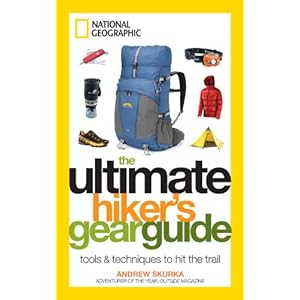
Final Reminder: Win The Ultimate Hiker's Gear Guide by Andrew Skurka

For the past couple of weeks I've been gearing up to give away several copies of Andrew Skurka's new book The Ultimate Hiker's Gear Guide and in fact had planned on announcing winners as early today. Unfortunately I forgot to post one last reminder on Friday as I had planned, so I've decided to extend the contest one more day. That means you have through today to send me your entries and I'll pick the winners tomorrow.

Entering the contest is easy. Simply send me an email to kungfujedi@gmail.com with a subject of "Ultimate Hiker's Gear Guide." In the body of that email tell me which of Andrew's big hiking adventures you would most like to do yourself. You can find a complete list of the long distance hikes that he has done by clicking here.

That's it! Send that email my way and you'll be automatically entered to win. I have eight copies of the book to give away and will be shipping them out as soon as possible. The winners will be announced after I've had a chance to get in touch with all of them and I'll post the names here as well.

Good luck to everyone who enters and apologies for extending out the suspense on those of you who have already sent in your emails. I wish I had a copy for everyone!

Reminder: Win a Copy of The Ultimate Hiker's Gear Guide

Just a quick reminder to let you know that there are still a few days to enter my contest to give away eight copies of Andrew Skurka's new book The Ultimate Hiker's Gear Guide. Andrew just might be the best long distance hiker ever and he shares a ton of wisdom in this book. You can read my review on the guide here.

To win a copy of The Ultimate Hiker's Gear Guide all you have to do is drop me an email at kungfujedi@gmail.com telling me which of Andrew's great adventures you would like to do yourself. Trust me, he has plenty of awe inspiring expeditions under his belt and even though us mere mortals will probably never do them, it is still fun to dream. Please use "Ultimate Hiker's Gear Guide" as the subject in your email so that I'll know what it is in regards to. I'm accepting entries into the contest through March 31st and with in a day or two after that I'll be picking the winners.

When I last posted on this contest I noted that there weren't a lot of entires yet and that most people seemed to be interested in the Rim-to-Rim-to-Rim hike. Since that time I've received a lot more emails and some of Andrew's other excursions have started to gain more votes. At the moment, I'd say his Alaskan adventures are in the lead with the Alaska-Yukon Expedition out in front. That is one grueling choice, which only proves that Adventure Blog readers love to suffer on their outdoor excursions.

Good luck to everyone!

Reminder: Win a Copy of The Ultimate Hiker's Gear Guide

Just a quick reminder as we wind down the week. I'm giving away eight copies of Andrew Skurka's new book The Ultimate Hiker's Gear Guide (review here!). The book is full of all kinds of practical advice from a guy who has logged more hiking miles than probably just about anyone else on the planet. You'll find gear list, tips for improving your experience on the trail and insights on planning a long distance trek.

To win one of these copies all you need to do is drop me an email at kungfujedi@gmail.com with a subject of "Ultimate Hiker's Gear Guide." Then, in the body of the message, write me a brief note telling me which of Andrew's big adventures you would most like to do yourself. He has plenty to choose from and you'll find them all listed here.

So far I've had a steady flow of entires coming in but not an overwhelming number just yet. That means you have a great chance of winning one of these books. Oh, and in case anyone is wonder, the Andrew's Rim-to-Rim-to-Rim hike in the Grand Canyon is clearly the favorite hike amongst Adventure Blog readers thus far.

The contest will run through March 31st and shortly there after I'll pick and announce the winners at random. Good luck everyone!

Gear Closet: Osprey Atmos 50 Backpack

It is difficult to improve on perfection. Especially in the world of outdoor gear. One of my all-time favorite pieces of gear is my Osprey Atmos 50 backpack. I love it so much that I've taken it with me on trips to six continents and it has always served me well. It is the perfect size to fit in most overhead compartments and yet still carry all the gear you need for an extended trip. My Atmos has been up mountains, across deserts and down rivers, and while it has a few battle scars it remains in great condition and always ready for a new adventure.

With all of that in mind I was a bit skeptical when I learned that Osprey had updated my favorite pack for 2012. After all, there were very few things that I could see them improving upon. Turns out the new Atmos 50 is a refined product that takes everything I loved about the first iteration and tweaks it in some important, yet subtle, ways that makes it an even better pack. 

Designed for traveling and backpacking light, the Atmos offers plenty of storage options for packing all of our necessary gear. In addition to the spacious main compartment, the bag also has a floating pocket in the  lid, two hip pockets on the belt, an adjustable stretch pocket on the front and two large zippered side pockets that remain one of my favorite holdovers front he previous design. Better yet, those two pockets have been more subtly integrated into the design and are larger than on my older model Atmos. 

One of my favorite features of the previous version of this pack was how easy it is to adjust the fit and how comfortable it is to wear when you've found the proper settings. I could wear my old Atmos for hours on end and yet still barely notice that it was on my back. Fortunately, Osprey managed to not only carry over those features but improve on them. The new Atmos has adjustable straps and belts that make it even easier to find the perfect fit and the new adjust-on-the-fly hip belt and harness are welcome additions. 

Over the years backpack manufacturers have devised a number of different suspension systems that are designed to help provide ventilation while wearing their packs. Most of those efforts have met with minimal success, but my oriental Atmos was amongst the best I had ever used. In the 2012 edition of the pack Osprey has updated the design once again and just like everything else about this new bag, the evolutionary upgrade improves upon the original. The new suspension allows for more air flow while still remaining comfortable to wear over extended periods of time. We may never see a suspension system that keeps us perfectly cool while on the trail, but the new AirSpeed suspension is a solid step in the right direction.

Other great features of the pack include an integrated hydration sleeve, built in tool loops and removable sleeping bag straps. Those small, but much appreciated, touches help to round out a great package that remains lightweight and rugged, yet high quality in every way. 

While it is quite obvious that I love this pack and find it an improvement on my beloved first generation Atmos in nearly every way, there is one thing that I would have liked to have seen integrated into the design. Neither version of this pack offers access to the bottom of the main compartment other than through the top. Having access through the bottom or  side can be very useful when trying to locate hard to find gear items, as it can be a bit inconvenient to have to completely unload the pack just to get to those base layers you stuffed to the bottom on the off chance that you might need them. Perhaps we'll get this option in the next iteration of the Atmos. 

I never thought I'd be retiring my old Atmos 50 pack, but the new Osprey Atmos is such an improvement in nearly every way that I'm looking forward to using it on future adventures. As I said earlier, it is difficult to improve on perfection, and yet somehow Osprey managed to do just that. 

MSRP: $199 (and worth every penny!) Pick one up at TravelCountry.com.

Win a Copy of The Ultimate Hiker's Gear Guide by Andrew Skurka

There are few backpackers that have a resume that can compete with Andrew Skurka. The man has hiked a number of impressive long distance hikes including the Appalachian Trail, the Pacific Crest Trail and many more that don't even have names. His expeditions have taken him to the wilds of Alaska and South Africa, across Iceland and quite literally coast-to-coast in North America.

Awhile back I wrote a review of Andrew's new book The Ultimate Hiker's Gear Guide and gave it high marks for providing all kinds of useful information. The book is an essential addition to any hiker's library and offers tips on planning for a hike of nearly any length. It offers fantastic insights into what gear to take along on your adventures and teaches you how to shave ounces off your pack to make for a more enjoyable time on the trail.

I think The Ultimate Hiker's Gear Guide is a great resource for any backpacker and I think you'll agree. That's why I'm giving away eight copies of the book to readers of my blog. Yep, that's right, I have eight copies of Andrew's book to share with you. To win a copy of the book, all you have to do is send me an email at kungfujedi@gmail.com with a subject line that reads: "Ultimate Hikers Gear Guide." Then, in the body of your message, tell me which of Andrew's adventures you would most like to do yourself and why. That could be an epic hike through Alaska and the Yukon, a Rim-to-Rim-to-Rim adventure in the Grand Canyon, or a short hike along the Colorado Trail. He has plenty of great hiking adventures to choose from, so tell me which one you'd love to do.

As for me, I'd love to follow in Andrew's footsteps and make a circumnavigation of Yellowstone on foot. Yellowstone is one of my favorite destinations in the United States and I can't imagine how spectacular it would be to see it in this manner.

The contest is open through March 31st, so you have plenty of time to enter. On April 1st I'll pick the eight winners and random and ship out your copy of the book. Good luck to all who enter and I look forward to reading your entries.

Gear Closet: CamelBak All Clear

Travelers, hikers, and backpackers looking for an alternative method for purifying water while on the go have a fantastic new option from an unlikely source. CamelBak, the company that perfected the hydration pack, has recently released a new water bottle with a built in purification system. Dubbed the All Clear, this system uses ultraviolet light to kill 99.9% of all bacteria, viruses and parasites found in water, making it safe to drink no matter where you are.

The All Clear features a tough plastic 750 milliliter water bottle with a high tech lid that incorporates the ultraviolet light, a small LCD screen, and an on-off button. Travelers simply fill the bottle with water, screw the cap on and hit the power button. That will turn on the UV light and start a sixty second countdown timer. While that timer is ticking away, you simply rotate the bottle 180º to circulate the water, ensuring that all of the liquid is exposed to the bacteria killing rays. Once the timer stops the water is safe to drink.

UV purification systems obviously aren't new but what makes the All Clear unique is the fact that the light is integrated so nicely into the the lid of the water bottle. After all, we rarely go anywhere without a good water bottle these days and the fact that that same bottle can clear harmful bacteria from the water we drink is a convenience that is hard to deny.

CamelBak has integrated some other excellent features into the All Clear as well. For instance, the UV light is powered by a rechargeable batter that is good for about 80 uses before needing to be plugged in. The battery can also be charged via USB, which means it can be plugged directly into your computer, a battery pack or even a portable solar charger. That makes it perfect for those wanting to travel light. The USB charging cable is included and the package also includes a second lid – one that is more suitable for drinking – and a nice carrying case.

The All Clear is a well built and well designed purification system and it is difficult to find fault with it in any way. CamelBak has made it a snap to use and the powerful battery and light are good for 10,000 total purifications. The only real knock I have against the product is that the UV lid is a bit on the heavy side, especially when compared to the competition, although it is by no means particularly large.

If you're in the market for a new water purification system, and you're tired of using iodine tablets, then perhaps its time to move up to a UV solution. The All Clear from CamelBak is a fantastic option that costs just $99, which is a small price to pay to ensure the water you're drinking on the trail is safe.

Tip: I'd recommend using the bottle to purify several liters of water at one time, pouring each dose into a hydration bladder in your pack, and then stowing the bottle for future use. That way you have all the water you need for the day close at hand and you can hike for hours without having to find more.

Gear Closet: Sports Science Graphic T-Shirt

Over the past few years there have been some wonderful advances in the area of fabrics used in the clothing wear while on our active endeavors. Now days we have thinner and lighter gear to keep us warm in cold weather and more breathable, wicking fabrics to keep us cool when its warm. If you're like me, you've probably come to appreciate the technology that has gone into that clothing, particularly when you're on a long run, bike ride, or hike in a variety of weather conditions.

Founded in 2005, Sports Science is a company that has put those high tech fabrics to good use. The company has built itself a reputation for creating activewear for a wide variety of outdoor activities. Their products are lightweight, attractive, excellent at wicking moisture and treated with FreshGuard to help keep them from acquiring unwanted odors. In short, they incorporate just about everything you could want out of your outdoor apparel, while still looking like something you wouldn't mind wearing both on the trail or around town.

Recently the company sent me one of the t-shirts in their "Outdoor People" line for testing and I was immediately struck by the fact that it looked like just about any other shirt you'd find in just about any store. The graphic on the shirt was unique and original with a bit of whimsy incorporated into the design. I tried to ignore the fact that they had chosen to send me a print that is titled "Old Goat," even though it is probably very fitting.

My initial impressions aside, I soon started to wear the shirt on a regular basis and found that it was quickly becoming one of the favorite articles of clothing in my rotation. Not only was it unique in styling it was also very comfortable to wear and the super-soft fabrics were great for what ever you have on your schedule. I've worn the shirt on cool, rainy days when I just lounged around the house and on day-hikes on a warm and dusty trail and each time it has been kept me very comfortable.

Wearing one of these Sports Science shirts is like wearing a technical piece of gear without the overly shining fabrics and tight fitting cut. This shirt provided all the performance you would expect out of that type of gear in a package that doesn't look like it is something out of a cheap science fiction movie. I love the cut and fit of the Old Goat t-shirt and I love the way it keeps me comfortably dry even more.

The t-shirt that I tested is just one item in the Sports Science line. They have also have long sleeve tech and wool shirts, a variety of graphics, and so much more. Check out their entire catalog here.

Gear Closet: LED Lenser Flashlights and Headlamp

Flashlights and headlamps are one of those pieces of gear that you kind of take for granted. After all, they all generally provide illumination of some degree or another and they are all equally useful when the lights go out. But that said, not all flashlights are created equal and it isn't until you find one of exceptional quality that begin to see the difference. Take for example the fantastic line of lights from LED Lenser, a company that shares its heritage with Leatherman Multitools, and it shows. Where as the Leatherman line of products are well known for their ruggedness and high quality, that same level of engineering and build construction has been brought to this line of lights as well.

I recently had the opportunity to test multiple products from the LED Lenser line and came away very impressed with each of them. Not only do they provide plenty of illumination, but they were also built to withstand lots of punishment and have a number of clever features integrated into their design as well. The company even thought ahead enough to include a high quality case with each of the lights as well, which is a nice touch that you don't always find with the competitors. Each of the devices is water resistant, which comes in handy in inclement weather, and feature powerful, high quality LED bulbs too.

The first light that I tested was the H7 headlamp, which cranks out a stunning 155 lumens, to a range of 180 meters, on its brightest setting. On that level it'll only last for about 4.5 hours however, but if you dial it back to its lowest setting, a mere 2.7 lumens, the light is good for a solid 60+ hours. The H7 includes a comfortable headband and an easy to access battery pack, but what impressed me more was the integrated focus system that allows you quickly and easily adjust the light from a tight beam to a wide, dispersed pattern with ease.

I've used quite a few headlamps over the years and this one is among the brighter, more comfortable and easy to use lights that I've ever come across. It uses 3 AAA batteries, has a built in adjustable bezel for adjusting the angle of the light and weighs in at just 4 ounces, which makes it a great travel accessory for just about any excursion to any part of the planet. The H7 headlamp comes with an MSRP of $60, which makes it a bit more expensive than similar products from other companies, but the level of quality and features makes it well worth it.

The second LED Lenser I tested was the P7 flashlight which ups the specs to 175 lumens and 210 meters of range. This light has a solid, durable metal case that makes it feel heavier than its actual 6.7 ounce weight would imply and its handy belt case helps to keep the flashlight close at hand at all times. Like the H7 headlamp, the P7 has an easy to use focusing system allowing you to adjust between high and low beams while easily narrowing or expanding the beam as necessary.

The P7 is great light for use around camp or to keep in your vehicle for emergency purposes. It uses 4 AAA batteries although you may want to keep an extra set on hand. On the highest settings this flashlight can go through those batteries very quickly with a burn time of only about an hour. Dropping the brightness extends the life of course, but this isn't a light I'd want to take far from civilization without an extra set of batteries or two. MSRP on the P7 is $70.

Finally, I also had the distinction pleasure of testing the LED Lenser's P5R, a rechargeable flashlight that is incredibly bright. On its highest setting, this light cranks up to 200 lumens at a range of 190 meters with a burn time of between three and seven hours depending on settings. Like the P7, this flashlight has a rugged metal case and a sliding focus system that adjusts the range of the beam. The P5R is considerably smaller however, weighing in at under 3 ounces.

The rechargeable battery system provides enough light for up to seven hours of use and an extremely well designed magnetic charging system makes it a breeze to snap the flashlight into the provided charger, which can be used in conjunction with the included wall adapter or plugged into any USB port like that found on your computer, many battery packs or portable solar chargers. Recharge time is approximately 3.5 hours and the battery is good for 1000 charges.

LED Lenser included a hard plastic case that provides plenty of room for the flashlight itself of course, but also all of its charging cables and adapters. It is an exceptionally nice package, although it makes it a bit less portable for when you're heading into the field. Additionally the P5R doesn't come with a nice belt case like the P7, but it does have a high quality snap-on clip that still comes in handy when needed. If you can find a way to recharge while in the field for longer trips, the P5R is an excellent addition to your pack for sure. MSRP is $100.

Before testing out these products I wasn't all that familiar with LED Lenser, although I have been a fan of Leatherman gear for quite some time. Everything I liked about those multi-tools applies here as well however, as these lights are high quality products that will impress you with their durability and versatility. If you're in the market for a new headlamp or flashlight for your outdoor adventures than add these items to your shopping cart. You definitely won't be disappointed.


Gear Closet: OutThere MS-1 Backpack

Back in October I wrote a review of the AS-1 backpack, calling it the best pack on the market for adventure racing and a damn great pack for backpackers and adventure travelers as well. I was struck with the AS-1's comfort, well thought out design, and multitude of pockets and compartments. In short, it was one of the best pieces of gear that I had used in quite some time and since writing that review, I have only continued to be impressed.

The AS-1 comes to us from a company called OutThere! which was started by adventure athlete Mike Kloser. Mike is a multi-time world champion in mountain biking and adventure racing, and all of that time spent in the field has given him a unique perspective on what outdoor athletes need from their gear. Kloser has now taken that considerable expertise and applied it to a new, smaller pack called the MS-1 which exhibits many of the same attributes as its predecessor but in a much smaller package. In fact, the MS-1 has exactly half the carrying capacity of its bigger sibling, offering 15 liters of internal storage with an additional 5 liters in an external mesh pocket.

Aside from the differences in size however, the packs have a lot in common. Both are made from durable, water resistant fabrics and feature rugged zippers that provide easy access to the packs contents but seal the pack up tight as well. Once again, the MS-1 has plenty of pockets and compartments for carrying your gear. In addition to the large main compartment, there are three additional internal pockets that help keep the small stuff close at hand and well organized. Externally there is a very handy zippered mesh pocket as well and additional storage on the hip belt and shoulder straps. As you would expect, the pack is hydration ready and includes integrated hydration tube sleeves, but also has two large water bottle holsters that can be easily reached even while wearing the pack.

While the larger AS-1 is a fantastic pack for multi-day, expedition length adventure races or backpacking excursions, the MS-1 is better suited for shorter 24 to 48 hour events. I was surprised to find that once I adjusted the pack to fit my body, it was actually even more comfortable to wear than the AS-1, a pack that was already very comfy even while carrying a larger load. The airmesh padded back panel and shoulder straps felt great, even on extended treks and I especially enjoyed the way the MS-1 fit snuggly against my body, but still allowed me to move freely and quickly.

I know I sound like a broken record when comparing these two packs, but once again I am impressed with how versatile the MS-1 can be. The pack can be used for everything from day hikes and overnight camping to mountain bike excursions and cross country ski outings. The size is perfect for just about any kind of outing and works well as a travel pack too. I recently carried the pack on a trip to Michiagan's Upper Peninsula and found that it carried my laptop, DSLR camera, and other travel gear comfortably and easily too.

If you were tempted by the AS-1, but thought it was simply too large for your needs, than you'll definitely want to grab the MS-1 as soon as possible. Designed to be a great pack for adventure racing, its use extends well beyond that and you're likely to find you're using it for all of your outdoor adventures. If you already own the AS-1 and want the same functionality in a smaller pack, you won't be disappointed either.

Mike typically sells the pack for $149, which is a great price for a piece of gear with this kind of quality. But he is currently running a special promotion with the MS-1 on sale for just $135. Check it out on the OutThere! homepage now.

And if you don't want to take my word for how good the MS-1 is,  my friend Randy Ericksen had put together a video review as well. For a second opinion, check out Randy's thoughts below.


Gear Closet: Wolverine Pulsar Boots

For more than 125 years, Wolverine has been designing boots for the workplace. In fact, when I think of the company, thats what immediately comes to mind – sturdy, rugged, shoes that are popular on logging and construction sites, and a variety of other places. With that legacy in mind, I was surprised when I first saw their new Pulsar hiking boots, which are due out later this spring. Better yet, I was even more pleasantly surprised when I put them on for the first time.

The first thing that will strike you when you lay your eyes on the Pulsar is how different looking they are from any other boot from Wolverine. While many of their work boots share a more staid, locked down design, the Pulsar comes in several different colors and look a bit like a mash-up between a hiking shoe and a sneaker. The shoe incorporates a waterproof, yet highly breathable, Gore-Tex liner, and features an integrated Ortholite footpad. It also uses Wolverine's patented Individual Comfort System (ICS), which I'll talk a bit more about shortly. 

After I finished admiring the Pulsar's interesting and refreshing design, I immediately laced them up and slipped them on. Turns out they don't just look good, they feel great too. I was immediately impressed with how well these boots cradle your feet, particularly along the arches. I also noticed that the footpads molded nicely itself to my feet, which made the shoes even more comfortable after I wore them a time or two. The thick, rugged Vibram soles also go a long way to protecting the bottom of your feet, even while trekking over rocky terrain. 

But Wolverine went a step further in ensuring that these will be one of the most comfortable pair of boots you've worn by developing their Individual Comfort System. The ICS uses a specially designed gel disc, which sits under the liner in the heel of the shoe. That disc can be rotated to adjust the feel of the boots from a firmer setting, which helps stave off fatigue on longer hikes, to a more cushioned feel, which is designed to maximize the shock absorption. The disc can also be set to compensate between a low or high arched foot as well. The design is actually ingenious and this isn't simply a marketing ploy on the part o Wolverine. Adjusting the ICS disc did have a noticeable impact on how the shoes felts felt, and the entire system works extremely well. 

In case you couldn't tell, I'm highly impressed with the Pulsar boots. Over the past few weeks, I've worst them in all kinds of weather and on all kinds of surfaces, and I've found them to be as much fun to wear around town as they are on the trail. A few months back I managed to sprain both ankles, and while they are mostly better now, there are days when they still bother me. But these boots are quite possibly the most comfortable shoe I've had on my feet since the injury. After wearing these boots for hours on end, my feet don't feel nearly as fatigued or tired as some of the other footwear I own, and I can't think of a better endorsement for these shoes at the moment. I've come to enjoy the Pulsar's so much in fact, that they I've worn them more than any other shoe since they arrived at my door. 

The Pulsar hiking boots will be available later this spring and while the price hasn't been finalized yet, they are expected to retail for about $165. I think you'll find that they are an excellent now option for hiking shoes, and I can't wait to see what else Wolverine has in store for us. 

Video: Hiking The John Muir Trail With Andrew Skurka

I caught this video this morning over at the National Geographic Adventure blog. It features uber-hiker Andrew Skurka and Gerry Mortion, President/CEO of EnergyFirst, hiking the 224-mile (360km) John Muir Trail. The two mean were able to cover the entire distance, from Yosemite Valley to the Mt. Whitney, in just seven days, averaging an impressive 32 miles (51.5km) per day.

The video serves as a great introduction to the trail and some of the amazing scenery found along its length. While not in the same league, in terms of length, with the Pacific Crest or Appalachian Trails, you will get an understanding of why the John Muir is considered to be amongst the best hikes in all of North America.


Video: Yosemite In Timelapse

There is nothing like starting out a new day (and week!) with a great video to remind us why we love the outdoors so much. This one was shot in Yosemite National Park and is incredibly serene and beautiful. It also happens to give you a nice glimpse of why that park is considered one of the best climbing and hiking spots in North America. Enjoy!


Yosemite HD from Project Yosemite on Vimeo.

Gear Box: Korkers SnowJack Boots

Let's face it, innovations in snow boots are few and far between. Sure, they occasionally get warmer and more comfortable, and the designs change with both function and fashion from time to time. But there is seldom any real major changes to this type of footwear, and we usually end up buying something we need, in the price range we can afford, without much consideration for anything else.

Gear company Korkers is looking to change that with a new line of boots that features a truly innovative approach to winter footwear. Their new shoes feature interchangeable soles that can be quickly and easily switched out depending on conditions, making them one of the most versatile pair of snow boots that I've seen in a very long time.

I recently had the opportunity to test out Korker's SnowJack boots and found them to be an excellent option in every way. They are comfortable, lightweight, warm, and rugged, which makes them a great choice for any cold weather outdoor activities. The boots use 3M's Thinsulate to insulate the foot and keep your toes toasty warm, even in sub-zero temperatures, and the design is a nice mix of leather and webbing on the outside, with a waterproof bootie on the inside. The result, is a shoe that breathes well but keeps moisture out – an important combination for extended, active winter excursions.

Of course, there are plenty of excellent winter boots on the market that would match the description above, but what sets the SnowJacks apart from competitors is its sole. Or perhaps I should say soles. Out of the box, the boots come equipped with Korker's patented SnowTrac outsole, which has a solid, dependable feel. This sole is designed for keeping a steady grip in wet, snowy conditions on a wide variety of surfaces ranging from pavement to muddy trails and even powder-covered rocks. But should you find conditions worsen, and you have to deal with icy conditions instead, these boots come with a second sole that can be used be swapped out in times of need. This second sole is called the IceTrac, and it features 32 carbide studs that provide a much better grip when walking across slick, icy surfaces.

Switching between the two different soles is easy and takes just a few seconds, even while wearing gloves. Once the new sole is locked into place, you would never even know that it is removable, and other than a noticeable change in grip on the specific surface that they are designed for, you would think that they are a natural extension of the boots themselves.

Beyond the innovative system for swapping out the soles, I was also impressed with how thin these boots are while still remaining very warm. I'm not a fan of bulky boots of any kind, especially if they make me feel like I'm clumsily plodding along through snow and ice. The SnowJacks don't feel that way on my feet, and while wearing them, I actually still felt nimble and relatively light on my feet. Because of this, these boots are a great choice for winter hiking or snowshoeing.

If you're in the market for a new pair of winter boots, and you're looking for comfortable and versatile footwear for your cold weather adventures, then I definitely recommend the SnowJack from Korkers. The boots carry an MSRP of $159.95, which is actually bargain, since it feels like you're actually getting two pairs of boots at that price.

Apa Sherpa To Hike Great Himalayan Trail

Two famous Sherpa mountain guides are preparing to embark on another epic adventure in mid-January, when they set off to hike the entire length of the 1700km (1056 mile) Great Himalayan Trail. Starting on January 15th, Apa Sherpa and Dawa Steven Sherpa will begin the trek, which is expected to take roughly 120 days to complete.

Touted as the highest altitude long distance trail in the world, the GHT isn't likely to pose much of a problem for these two men. Apa has reached the summit of Everest an astounding 21 times, while Dawa has been to the top of the world's highest peak on two occasions himself. They've chosen to undertake this latest challenge in an effort to raise the profile of the trail and bring economic investment to its development. They'll begin their journey in eastern Nepal in the village of Ghunsa and will march west until they reach the town of Darchula. Along the way, they'll pass through 20 different districts, surrounded by the unmatched mountain landscapes of the Himalaya.

Along the way, Apa and Dawa will also be looking to raise awareness of the impact of global climate change on the region as well. That has been a particularly important topic with the Sherpas over the past few years, as mountain glaciers retreat, taking their fresh water supply with them. This is an important issue for Nepal, particularly in remote rural areas, where villagers often have to walk for hours each day just to collect fresh water.

Hopefully the two men will post updates along the way and will share their journey online. In the past Apa has often posted about his Everest climbs online, and if he does something similar with this trek, I'll post regular updates on their progress here.

The GHT sounds like an amazing experience and I hope that it garners more attention amongst trekkers and backpackers.

Gear Box: Bogs Jamison Boots

I've said it before, and I'll say it again. One of the most important aspects of any outdoor activity is keeping our feet comfortable and happy. The shoes we put on our feet can definitely make or break our adventures, which is why selecting the right pair of hiking boots is such an important and personal decision. Take for example the new Jamison boots from Bogs. If you're looking for a great new pair of hiking boots to use in the backcountry or when high on the slopes of a mountain, than this isn't your boot. But, if your looking for a solid, comfortable, warm boot for wearing around town and on light hikes, then this just might be the shoe for you.

Bogs is a company that has built itself a reputation on designing and manufacturing a wide variety of boots and shoes for use in the work place, while hunting, or for just wearing around town. Their shoes are both stylish and functional, and are especially popular with several of my female friends, who appreciate their warmth and comfort in the cooler, rainier weather.

The Jamison boots were my introduction to Bogs and I was immediately impressed with the high quality construction that went into putting these boots together. They feel solid, rugged, and tough, and thats before you ever put them on your feet. They also have a nice, understated styling that almost feels like a bit of a throwback, but in a good way. Some companies making boots today seem to feel they have to use unusual colors or patterns to make them standout, and really they just need to make them comfortable to wear and strong enough to stand up to day-to-day abuse.

Slipping the boots on, I immediately found that they were comfortable and warm. , although they had a fit that took a little getting use to. The soles are very solid and a bit on the larger side, which made the boots feel bigger than they actually are. Those same soles provide plenty of stability and traction however, even on wet and slick surfaces, which is where they really shine. The boots are also completely waterproof, and designed for cold temperatures. I can attest to the fact that they are plenty warm, but the Bogs website says they are rated for sub-zero temperatures. That may be true for running around town, but I don't think I'd want to test that rating in the backcountry.

Bogs says these shoes are built for hiking, but I personally don't think they'll be replacing my Asolo's anytime soon. That said, they are a fantastic shoe for wearing in an urban setting, particularly in bad weather. They'll keep your feet warm and dry, while also keeping you standing upright. That isn't to say they don't make a good pair of hiking shoes, as they can transition well from the pavement to the trail for those unexpected adventures, its just that they wouldn't be my first choice to wear on an extended hike. In those cases, I'd prefer something that breathes a bit better and is a bit more form fitting on my feet.

If you're in the market for a comfortable pair of boots for your urban adventures or light hiking activities, the Jamison is a good, versatile option. The fact that they are both waterproof and well insulated, will make them a favorite amongst those who live in cold weather climes, especially since winter has just gotten underway. You'll find they look good, can take a beating, and perform well in rain, snow, and even ice. (MSRP: $108)

Gear Box: Snow Peak SnowMiner Headlamp

Just when you think you've seen it all in terms of headlamp design, along comes the SnowMiner, by Snow Peak, to shake things up. This cleverly designed light looks like nothing else on the market, but that's just the start of what makes this lamp so great.

Like any good headlamp, the SnowMiner is lightweight (just 2.3 ounces/65g without batteries), comfortable to wear, and provides plenty of light. It features two different pre-set levels of illumination, high (80 lumens) and low (8 lumens), and comes with a flashing strobe mode that can be used to signal for help in emergencies. Perhaps best of all however, is the "Variable" mode, which lets you easily dial-up the exact brightness you need. This is accomplished by pressing, and holding, the power button, which gradually adjusts the light from its brightest to lowest setting.

One of the things that impressed me the most about this lamp was how comfortable it is to wear, even over extended periods of time. The headband adjusts very easily, and can be worn directly on your head or over a hat or helmet as well. Once it is in place, you barely notice the oversized lamp unit, which features a soft, silicone covering around the bulb itself. At first, that soft covering seems like just another unique design choice, but it turns out is has a purpose all of its own too.

While the SnowMiner is a nice headlamp in its own right, it turns out it has a few tricks up its sleeve that truly set it apart from the pack. For starters, when you're done using it on the trail or moving around camp, the lamp quickly, easily, and efficiently turns into a hanging lantern. A plastic hook built into the headband make it easy to hang from the ceiling of your tent, providing plenty of illumination for those late night card games or curling up in your sleeping back with a good book.

As for that soft silicon covering I mentioned, well its true use becomes apparent when you switch to lantern mode. When you're wearing the SnowMiner as a headlamp, the silicone covering collapses around the bulb to allow it to focus its beam in a more concentrated direction. This helps us to be able to see further ahead when we're walking on a dark trail, but doesn't really help much when trying to illuminate a larger area. But when you're ready to use the light as a lantern, you simply give tie silicon a slight pinch and a twist, and two tiny magnets inside the light release it, allowing the covering to expand into a dome. That dome disperses the light nicely, making it act more like a lamp and less like a flashlight. It really is an ingenious design that will be much appreciated when bedding down for the night.

Battery life is fantastic on the SnowMiner as well, lasting 50 hours on high and 140 hours on low. The light uses three AAA batteries, which are cheap and easy to find, and when they start to get low, the headlamp gives you plenty of warning by turning on a small red indicator light.

Snow Peak designed the lamp to be easy to use, even while wearing gloves, and the large power button is  fantastic when you're fumbling around in the dark as well. I also appreciated the easy to access battery compartment, which made it a snap to replace dead power cells. I've used other headlamps where that simple task turned into an exercise in futility.

In case you couldn't tell, I'm very impressed with the SnowMiner. It's a great little head lamp that extends its functionality well beyond what you would expect out of a light like this one. If your'e looking for a last minute stocking stuffer, the backpacker or hiker on your list will definitely appreciate this lamp. (MSRP: $49) (Checkout other Snow Peak gear at TravelCountry.com.)


Gear Box: Adventure Medical Kits Survival Medic

Are you looking for a great stocking stuffer for the outdoor adventurer on your list? Then look no further than the Survival Medic from Adventure Medical Kits. Like any other product from AMK, this little med kit is packed full of useful goodies that could come in handy when dealing with emergencies on the trail.

The Survival Medic tips the scales at just 4.8 ounces (136 grams), which means you can throw it in your daypack and barely notice that it is even there. But don't let its diminutive size fool you, as AMK has managed to pack a lot of useful items into this tiny package.

The contents of the waterproof pouch include a SOL survival blanket, supplies for helping you start a fire, a rescue whistle, duct tape, and a small compass. But that isn't all. The Survival Medic also contains a number of supplies to help treat potential injuries as well, including antiseptic wipes, gauze bandages, ibuprofen, antibiotic ointment, and more. In short, it is an indispensable item to have with you at all times in the backcountry.

As with everything that Adventure Medical Kits produces, the Survival Medic is high in quality and designed to offer a lot of functionality. It also comes in at a great price point. With a cost of just $15, it is an attractive gift for the adventurer in your life that you always want to see come home in one piece. This affordable, well stocked mini-medical kit may not be the sexiest gift this holiday season, but you'll feel better knowing that it is part of your loved one's gear closet.

For other great products from Adventure Medical Kits, click here.

Alternatively, if you're feeling lucky, stay tuned for details on how you can win one of these kits for yourself. I'll post exactly how tomorrow morning and try to get the prizes awarded with plenty of time before Christmas.

Gear Box: Brooks Range Isto Softshell Jacket

Brooks Range is one of those gear companies that knows its market and knows it well. They make a very nice, albeit limited, line of outdoor gear that is high in quality, well designed, and very affordable. Their small catalog of products keeps the company focused and agile, continually delivering gear that performs well in a variety of settings and conditions.

That same philosophy is on display with Brooks Range's newest lightweight, softshell jacket, the Isto. The Isto is built for active pursuits, and incorporates four-way stretch fabrics to keep you moving without restricting motion. Those same fabrics are comfortable and breathable, making this jacket ideal for aerobic activities. Something I forgot about when I first put it on.

You see, the Isto is quite lightweight, and the first time I put it on, I was surprised to find that it wasn't quite as warm as I had expected. But then I started to move, and in the process, started to warm up as well. Taking an early morning hike with the Isto soon showed off its strengths, as it clearly keeps you plenty warm when used in active pursuits. In fact, it is the perfect weight for hiking, climbing, trail running, or just about any other outdoor endeavor in cool weather.

Brooks Range knows that one of the most important aspects of any piece of  active apparel is that it fits well and moves with the person wearing it. With that in mind, they've incorporated drawstrings into the hem that allow you to adjust the fit to your needs. The cuffs also use high quality velcro to seal snugly around the wrists, and the main zipper easily glides up the front, closing off the comfortable collar. The jacket also includes three pockets – one large one on the chest and two others for the hands. All three are ample in size and can be zippered shut, keeping contents safe and sound inside. An interior pocket is sadly missing, as I always appreciate the option for keeping small items on the inside of my jacket.

After owning the Isto for a few weeks, I found myself grabbing it without thinking as I headed out the door each morning, even if I was just running errands around town. Thats when I realized how much I liked this jacket. It is comfortable, fits well, and is a great option for active days on the trail. It comes in four different colors and would make a great holiday gift for someone on your list. With an MSRP of just $100, it won't break the bank either.


New Long Distance Trekking Trail Set To Open In New Zealand

Long distance hikers looking for a new challenge will have one starting December 3rd. That's when the Te Araroa foot trail opens in New Zealand, offering a  route that is more than 3000km (1864 miles) in length, stretching from north to south across the entire country.

Te Araroa, which means The Long Pathway, stretches from Cape Reinga, in the northernmost tip of New Zealand's North Island to Bluff, located in at the southernmost end of the South Island. Walking the entire length of the trail will take backpackers through thick forests, past verdant farmland, up volcanoes and mountains, and across open meadows. The trail even passes through seven cities, which will serve as great starting and ending points or places to resupply.

Building this epic trail was no small feat, as it was mainly accomplished by volunteers who worked many long years to link up a series of trails and fill in open spaces on the map. In fact, it took more than 17 years to complete this project, with all kinds of legal, technical, and physical challenges that had to be overcome in order to bring it into existence.

The official opening ceremony will take place at 10 AM local time on December 3rd in Wellington, which is almost exactly the middle point of the trail. After that, it'll be officially open for long distance hikers, and the countdown will begin as to who will be the first to trek it end-to-end.

Cool story and a great new trail. Thanks to Lou-Phi for sharing. I'm sure you're already plotting your adventures on the Te Araroa my friend.

Gear Box: Primus Eta Solo Stove

The trend in lighter, more efficient, backpacking and camping gear has paid dividends in all kinds of different equipment over the past few years. Everything from tents and backpacks to sleeping bags and hiking boots have shed excess kilos while improving performance and durability. This same formula has also been applied to camp stoves, which were once of the heaviest and bulkiest pieces of gear in our packs. Now, outdoor enthusiasts have a number of great personal cooking options, which seem to get more useful and efficient each year.

Take for example the Eta Solo cooking system from Primus. Designed to support one or two hikers while on the trail, the Eta Solo is impressively compact and lightweight. The stove tips the scales at just 12.9 ounces and even with a fuel canister, it barely weighs more than a pound. When not in use, that same canister stores neatly inside the included .9 L pot, keeping everything well organized for when you need it to cook your next meal.

When you are ready to play the part of camp chef, you'll find the Eta Solo to be a solid performer. In my tests, it was consistently able to boil a pot of water in just over two minutes, although admittedly those tests didn't take place under conditions what would be deemed extreme. The stove did resist the wind very well, but I wasn't able to put it through its paces in temperatures below 50ºF/10ºC. I was especially impressive in how efficiently the Eta uses its fuel, which helps to stretch the lifespan of the canister and allows you to carry less gas when you're on the trail.

Other great features include solid burner control, good build quality and a locking mechanism that securely holds the pot in place and keeps the entire system very stable. The stove also comes with optional support for larger pots, which brings a nice level of versatility to the entire system, and a removable wrap for the pot allows you to hold it even when it's very hot. The included hanging kit was a nice touch as well.

The Eta Solo isn't without room for improvement however. The placement of the controls seemed a bit close to the burner at times and I found myself having to watch where I put my fingers. The stove's support legs also didn't fit neatly inside the pot while the fuel canister is inside, which took away from the compact nature of the product as well.

Those few nit-picks aside however, Primus has put together an excellent, efficient stove that is on par with any of its competitors. Aspiring backcountry gourmets looking for a compact cooking system at an affordable price (MSRP is $120) will find that the Eta Solo is a great choice for their culinary needs while on the trail.