HIMAPALA UNESA

Himapala Unesa adalah organisasi bergerak di bidang outdoorsport dan sosial.

ORGANISASI

Proin luctus placerat arcu, eget vehicula metus rhoncus ut. Fusce pharetra pharetra venenatis. Sed condimentum ornare ipsum.

Maecenas nisl est

Vestibulum suscipit ullamcorper bibendum. Nam quis commodo ligula. Etiam et mi et magna molestie iaculis.

Lorem ipsum dolor sit amet

Duis fermentum sem nec ipsum lacinia fermentum. Lorem ipsum dolor sit amet, consectetur adipiscing elit.

Popular Posts

Blog Archive

Sample Text

Tampilkan postingan dengan label Winter. Tampilkan semua postingan

Winter Climb Update: Climbers Still Missing On GI

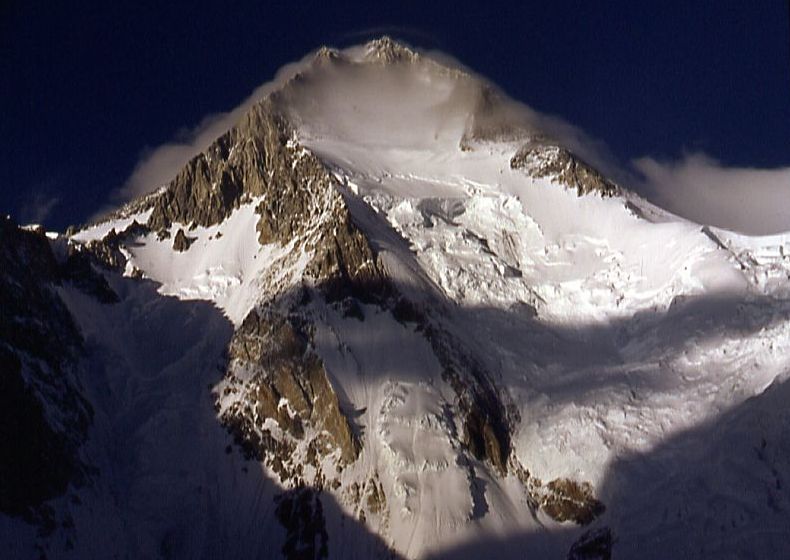
Last Friday seemed like a triumphant day on Gasherbrum I, as the Polish team that has struggled on that  mountain for more than two months, notched the first winter ascent of the mountain. But the joy of that climb has been tempered with the fact that three climbers from another team have gone missing and there has been no news on there whereabouts for the past two days.

Late last week Gerfried Goschl, Cedric Hahlen and Nisar Hussein were the first to set out from Base Camp on GI to take advantage of a weather window that could give them access to the summit along a new route. Late in the day on Thursday they called home to report that they were just 450 meters (1476 ft) beneath the summit and that they felt good about their prospects of topping out. Their support team hasn't heard from them since.

When the Poles went to the summit along the normal route the following day, they reported that they saw the three climbers continuing their ascent along the mountains East Ridge. That was the last anyone has seen of the men and what has become of them after that remains a mystery.

The brief weather window has now closed and high winds and bitterly cold temperatures have returned to  the Gasherbrums. Those conditions have made if very difficult to launch a search and rescue mission at the moment, as all helicopters in the region have been grounded. There are a number of climbers standing by to begin the search, but for now they are waiting for a some kind of break in the weather. That break may not come for another few days.

Alex Txikon, who was part of the missing climbers' team, is back in Base Camp after his attempt to summit went awry late last week as well. He and Tamara Stys gave up on their GI climb but attempted to summit nearby Gasherbrum South, which wasn't successful either. It seems likely that the Basque climber will now try to lend some aid to finding his missing friends, but all further attempts to climb Gasherbrum I are done.

Finally, the Poles have posted a summit report from their successful climb last week, which you can read here. They also posted the video of the climb, which you can see below. It gives us an indication of how challenging the final push was and what kind of weather they were dealing with even at the end. Congrats to that team on a job well done.

Lets keep our fingers crossed for Gerfried, Cedric, and Nisar that they are found alive and well.


Winter Adventures on Michigan's Upper Peninsula

Living in Austin, Texas I've become accustomed to mild winters. Here it seldom falls below freezing and rarely do we get any kind of snow. In fact, in the nearly seven years that I've lived here, it has only snowed once and that was barely enough to cover the rooftops. Despite the fact that my current home-state doesn't isn't exactly known as a winter wonderland, I still enjoy the opportunity to play in the snow from time to time. With that in mind, a traveled to Michigan's Upper Peninsula a few weeks back to get in  a few cold weather adventures.

For those unfamiliar with the Upper Peninsula, or U.P. as it is called, it is the northernmost landmass that makes up the state of Michigan. The region is sparsely populated and heavily wooded, making it a surprisingly remote wilderness for those who have never visited the place before. In fact, the U.P. features more than 300 miles of wilderness, giving outdoor enthusiasts something to love in every season.

Visiting the Upper Peninsula during the winter generally means plenty of cold and snow, but like much of the U.S., Michigan is also having a mild winter. In this case that means they've only received 75 inches of snow thus far this year, which sounds like a lot but is well below the 200+ inches of powder they region gets during an average winter. Still, I found there was plenty of snow for cross country skiing, snowshoeing, and snowmobiling, some of the activities I was most looking forward to while I was there.

My U.P. adventure began in Sault Ste Marie, a charming little town that falls just across the St. Mary's River from Canada. The biggest summer draw to the town are the Soo Locks, which annually see more cargo pass through their gates than the Panama and Suez Canals combined. During the winter months however, Sault Ste Marie is the gateway to the winter playground that is the U.P. and not long after arriving I was off to Tahquamenon Falls State Park for a little snowshoeing.

The trail to the falls is a short one and an easy hike, even in winter, but the payoff is well worth it in any season. The Upper Tahquamenon is the largest falls east of the Mississippi River, stretching 200 feet across the river which gives it its name. They have a height of 50 feet and in the springtime the snow-melt swells the river so that more than 50,000 gallons drop over the edge each and every second. The falls remind open, even in the winter, when the snow and ice make the entire setting feel incredibly serene. On the day of my visit, a gentle snowfall only added to the experience.

The U.P. happens to be one of the premiere snowmobiling destinations in the entire U.S., and many travelers visit the area on an annual basis just to enjoy that activity alone. The state and national forests that cover the area feature more than 3000 miles of groomed trails just waiting to be explored. Flying along those trails at over 50 mph on the back of a powerful sled is a lot of fun and a great way to enjoy the backcountry. There are plenty of trails a short drive from Sault Ste Marie, but no matter where you go on the Upper Peninsula, you'll discover plenty of places to ride. I spent the better part of a day on, and off, some of those trails and had a great time chasing friends through the scenic woods.

A few days into the trip I payed a visit to the Treetops Ski Resort, which opened up even more opportunities for winter fun. The resort has a modestly sized ski hill with 23 runs and three lifts and options for every level of skier or rider. There are several miles of groomed cross-country skiing and snowshoeing trails that are amazingly secluded and quiet. One morning I was fortunate enough to hit those trails before anyone else, including the groomer, and it turned out to be one of the more sublime experiences I've had in the woods in quite some time.

After spending a few days playing in the snow, I moved on to the WISSA event that I told you about last week, which was a completely different experience altogether. But my U.P. visit was incredibly fun and I would love to go back to explore the region more fully. In the warmer months, all those miles of snow covered trails turn into hiking and mountain biking routes and the rivers and lakes, including the Great Lakes, would make for excellent paddling. The forests that dominate the area should be fantastic for backpacking and camping, and there is even quality climbing options as well. The adventure activities abound, no matter the season, and outdoor enthusiasts shouldn't overlook this amazing wilderness that has so much to offer.

For more information on the Upper Peninsula and other outdoor activities in Michigan, visit Michigan.org.

Winter Climb Update: Base Camp Departures and More High Winds

For the past few days we've been waiting for news from Gasherbrum I where the two remaining Karakoram winter climbing teams have been weighing their options. As you'll recall, summit bids earlier in the week were turned back due to high winds and both the Polish squad and Alex and Carlos have been in Base Camp ever since. Today we get news from both groups as well as a new weather forecast that isn't all that promising.

First up, Alex reports that his climbing companion Carlos Suarez is heading home. This is a sad day for the two men who had hoped to climb the mountain together, but it seems that March 1st was always marked off as the day that Carlos would depart to take care of some other commitments. They had hoped to have reached the summit by this point, but obviously the unpredictable winter weather hasn't made that happen. Alex is actually climbing as part of a larger team however so he won't be taking on GI solo.

The Polish team says that one of the members of their team has taken ill over the past few days and is suffering from what they call "heart burn." He has slept for most of the past three days however and they suspect that something else is going on. As a result, the team members climbing days are likely done for this winter and he is probably confined to Base Camp until they all head home.

A new weather forecast indicates that high winds are once again expected over the next few days. Speeds could hit as much as 120 kph (74 mph) at altitude which of course means that no one will be going up during that storm. There is the possibility of a new weather window opening up around the 8th or 9th of March however, so everyone is prepared to sit things out in BC until then. If that window doesn't appear, Gasherbrum I may indeed go unclimbed for another winter.

Kiting and Ice Sailing in Michigan

I spent most of last week on Michigan's Upper Peninsula where I had the opportunity to play in the cold and snow for a few days. As someone who grew up in that kind of climate, but now lives in a warm weather state, I always appreciate getting the chance to enjoy some winter activities. While there, I was able to ride a snowmobile through secluded backcountry and go snowshoeing on more than one occasion. But I also had the chance to spend a few days at the World Ice and Snow Sailing Association (WISSA) Championship, an experience I wrote about today at Gadling.com.

The event was a week-long affair that featured athletes from around the world coming to St. Ignace, Michigan to race on a small, frozen body of water called Chain Lake. Those athletes used a variety of wings, sails, and kites to propel them across the ice, sometimes at amazing speeds. Watching the top competitors harness the wind currents to generate momentum was nothing short of impressive and it was surprising how nimble and agile they were even at top speeds.

Of most interest to me were the kiters. Over the years, I've read and written my fair share of stories about how polar explorers have used kites to help propel them across some of the more remote places on our planet. While I always had a good understanding of how that worked, actually watching them in action was a great experience. I spoke to one of the competitors who told me that he routinely hit speeds in excess of 70 miles per hour on his home ice and has even set some unofficial speed records in the process. He let me hold on to his kite while it was in flight and the power that it generated was amazing. Steering the thing was no easy task either as it only required a few subtle movements of the wrist to adjust direction. For the inexperienced, like myself, it only took a few subtle movements to send the kite crashing into the ground as well.

While it was clear that the big kites were the best option for all-out speed, some of the other competitors preferred something that was a bit more agile on the ice. Those athletes gravitated towards the wings, which resemble a small paraglider, or a sailboard which look like the sailboards you would find on any beach save for the addition of skis attached to the bottom to help facilitate movement. Those different types of wind propulsion methods put the competitors into different race categories, but watching them all out on the ice was a bit like watching organized chaos at times. Each racer had his or her own individual approach to capturing the wind with some accelerating more quickly, while others were more capable at maneuvering across the slick surface.

As I mention in the Gadling article, one of the things that impressed me the most about the WISSA Championship is how close each of the competitors are with one another. In a way it felt like they were one big family who had gotten together for a little winter fun and the small, closely knit community reminded me of something that I'd see at an adventure race. Everyone was helping each other out, offering equipment to replace broken or damaged parts, sharing tips and insights on how to go faster, and generally having a good time. It was fun to be a part of that atmosphere even if it was just for a few days.

The WISSA Championship will go back to Finland next year, but the dedicated crew in Michigan that helped bring the event to North America for the first time hopes to continue hosting similar events in the future. The want to build a larger audience for the sport and attract a larger following moving forward. Hopefully they'll be successful as it was a lot of fun to take part in.

To plan your own adventures in Michigan be sure to visit Michigan.org.

Winter Climb Update: Gasherbrum Summit Bids Have Begun!

After weeks of preparation and hard work in the Himalaya, the teams on Gasherbrum I may finally be ready for the big payoff. The weather remains a bit difficult, and high winds are currently buffeting the higher camps on the mountain, but a window to the summit is expected to open starting tomorrow, and the climbers have now moved into position to take advantage of it.

The Polish squad started their ascent on Saturday and made it to Camp 1 by early afternoon. Presumably they climbed higher yesterday and today, and although there are no updated since they set out, we have to assume that they are positioned in Camp 3, where they are hoping for the winds to die down long enough to make their summit bid tomorrow. If all goes as planned, we could see history made with the first winter ascent of Gasherbrum I.

Meanwhile, Alex Txikon and Carlos Suarez also moved up to Camp 1 yesterday and have plans to climb to C2 today. They are also getting themselves into position to make a summit bid, although it does seem like they are a bit behind the Poles on the ascent. Depending on how the weather patterns play out, they could be making their ascent at the same time however.

I'll be keeping an eye on the proceeds over the next 24 hours and looking for updates. It seems that it is now or never on GI, as the winter season has been a long one and the days starting to run short. The climbers still have a few weeks until the official end of winter, but they may not have the strength to continue battling the elements at altitude. For now, we'll just have to sit, wait, and watch how it all plays out.

If you've ever wondered what it is like during these high winds and winter storms, check out the video below. It was shot by the Polish team and gives you a good sense of what they've been dealing with. Yikes!


Winter Climb Update: Stuck In BC On GI

Now that most of the teams have left Pakistan for the season, all of the action is focused squarely on Gasherbrum I, where both the Polish squad and Alex and Carlos are hoping to make the first winter ascent of that 8080 meter (26,509 ft) mountain. The two teams have been working together over the past few weeks to fix lines and establish camps, but now they seem to be taking a different approach on how to proceed.

According to the latest dispatch from the Poles, they have now established Camp 3, finished acclimatizing, and have all of their gear in place to make a proper summit bid. There is just one problem however, and that is the weather. Conditions are not good on the mountain today, and the forecast says that it could be another seven days before things improve. Winds are predicted to top 100 km/h (62 mph) above 7000 meters (22,965 ft), which makes it impossible to climb above that height. The team is prepared to wait it out, but they now feel it could be the end of February before they can make a true attempt on the summit. Patience is most definitely the name of the game at the moment.

Meanwhile, Alex and Carlos indicated yesterday that they planned to climb up to Camp 1 today. That would take them up to 6200 meters (20,341 ft), well below the maelstrom of wind, where they'll apparently shuttle more gear in preparation for their own eventual summit bid. It appears they won't go any higher than C1 however, and my guess is that they'll be back in BC by tomorrow, and waiting along with their companions.

The reports from the winter climbs start to sound a bit like a broken record after awhile. It is all about the weather, which is always bad. There just seems to be widely varying degrees of bad.

The Ice Run: 1500km Through Siberia On A Motorbike

The Adventurists are up to their old tricks. The same group that brought us the Mongol Rally and the Rickshaw Run, launched their latest overland adventure – The Ice Run. This time, they're racing across 1500km (932 miles) of frozen Siberian wasteland using old Russian motorcycles, complete with sidecar.

The inaugural Ice Run got underway yesterday at the southern end of the River Ob. The riders will now follow the frozen river north to the town of Salekhard, which sits above the Arctic Circle. During the brief summer months, the only way to complete that journey is by boat or airplane, but during the long winter, the frozen tundra, and even the river itself, allow for passage. Of course, the riders still have to deal with the snow, ice, and incredibly cold temperatures along the way.

Just how cold does it get there? According to this page on the Ice Run site, temperatures will fall between -10ºC and -60ºC (14ºF to -76ºF). Throw in winds that regularly hit 40mph and the windchill shaves another 40º off of those temperatures. As a result, machines start to break down and oil begins to freeze. The local police will even close the roads to prevent drivers from leaving town and getting stranded, quite literally, in the middle of nowhere.

There are currently 13 teams entered into this unique, and dare I say crazy, race. You can track their progress online by clicking here, and as of this writing they've covered roughly 150 miles so far. As with all the other events from the Adventurists, this road rally is helping to raise funds for charity. The live tracker also says that the teams have currently raised £11,980 ($18,770), with more to come.

And while we're on the subject of raising money for charity, I think it is worth pointing out that all of these great road races that the Adventurists have sponsored over the past few years have brought in more than £3.5 million ($5.5 million) for a variety of organizations. That's a pretty impressive number.

So, just what are the Ice Run riders dealing with out on the "road?" The video below, which was shot during an initial test run of the ride, will give you some indication. It's a toss up which looks colder, this video, or one of those shot on those winter climbs we've been following.


Winter Climb Update: Over On Nanga Parbat

Faced with an already treacherous climb, and more bad weather in the forecast, mountaineers Simone Moro and Denis Urubko have decided to pull the plug on the Nanga Parbat expedition this winter. The two men have spent the last 51 days on this attempt, and had reached as high as 6600 meters (21,653 ft) on the mountain, but ultimately, the conditions are just not safe and the necessary weather window doesn't appear to be in the immediate forecast.

Simone and Denis will now wait the next few days for the snow to stop falling long enough for a team of porters to come gather their gear. They expect to be in Base Camp for another three or four days, then start the long journey home.

They had shared BC with a Polish team, which departed the mountain yesterday, and with the departure of the Russian squad from K2, Gasherbrum I is now the last of the 8000 meter peaks with an ongoing winter climb.

In announcing the end of their expedition, Moro and Urubko released the video below. They say that their weather reports indicate that as much as 100-50cm (3 -5 feet) of additional snow could fall on Nanga Parbat over the next week or so. With the danger from avalanches already high, it seems prudent that they go home and wait for another opportunity.


Video: Winter Climbing On Nanga Parbat

Earlier in the week we had a video from the winter climbs currently underway on Gasherbrum I and today we get one from Nanga Parbet, where Simone Moro and Denis Urubko are currently waiting out the weather to see if they'll ever get a crack at the summit. The forecast says that they can expect snow for the next week, which doesn't bode well for the success of the expedition, especially as there is already a high level of avalanche danger on the mountain.

This video was shot prior to the current round of bad weather, when Denis and Simone were preparing for a summit push. That attempt was ultimately turned back due to the snow, but we still get a great glimpse of what it is like on this Karakoram mountain in the harshest season of all.


Video: Reinhold Messner At Winter OR 2012

Do you have 22 minutes to spare? Want to hear the greatest mountaineer of all time share his thoughts on the Cerro Torre controversy, mixing adventure and conservation, and much more? This video was shot at the Winter Outdoor Retailer convention a few weeks back and was sponsored by the American Alpine Club. It is a rare and wonderful chance to listen to Messner share his thoughts on a variety of topics, and if you know anything about Reinhold, you know he isn't afraid to share his opinion.


Winter Climb Update: Tragedy On K2 Ends Expedition

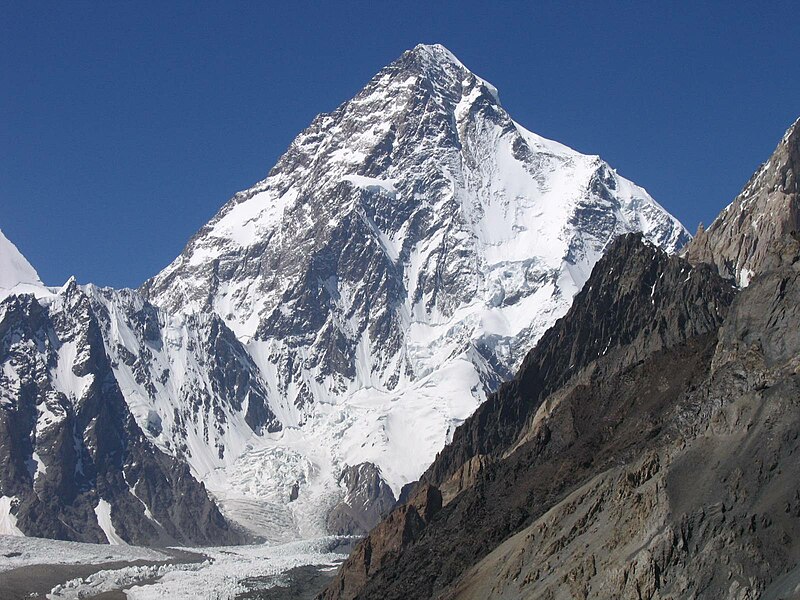
One of the boldest and most challenge climbing expeditions in recent memory has come to a tragic end. The Russian on K2 have lost one of their teammates, and have called a halt to their climb. A message posted on the team's website says that climber Vitaly Gorelik has died in Base Camp, where the entire squad is now assembled, and are preparing to head home.

According to the brief post, the weather has been "extremely bad" over the past four days and as a result, no helicopters can get in or out of the mountain. We know from an earlier post last week that Gorelik had been suffering from frostbite on several fingers and that the team was waiting for an evacuation helicopter to pick him up and take him back to Skardu and then eventually home. Unfortunately, that wasn't possible in these conditions, and while its not clear exactly what caused his death, there are some unconfirmed reports that it may have been a heart attack.

I have no doubt that the loss of one of their teammates has taken the fire out of the entire squad. They had climbed all the way up to 7200 meters (23,622 ft) and were in the process of establishing their Camp 3 before the bad weather set in, forcing them to go back down to Base Camp. They had hoped to wait out the weather and return to working the route sometime this week, but obviously that won't be possible now. According to the expedition website, they are now simply preparing their gear to be shipped back down the mountain and waiting for an opportunity for the helicopter to resume flights.

My condolences to Vitaly's friends and family, as well as to his teammates still on the mountain. While I called their expedition an attempt at the impossible when it was first announced several months back, I have been cheering them on and hoping for the best since they officially got underway. It is sad to see it end like this, and while we all know the dangers of climbing K2 (in winter no less!), it is still a harsh reality when we actually see the results of those dangers.

Savage Mountain indeed.

Inaugural Winter Teva Mountain Games Begin Next Week

The first ever Winter Teva Mountain Games are set to get underway next week in Vail, Colorado. The event will run February 10-12 and will pit some of the top professional and amateur outdoor athletes in the world against one another.

The Winter Mountain Games, which are sponsored by Eddie Bauer, will include competitions such as snowshoe racing, Nordic and telemark skiing, mountaineering, and more. There will also be all kinds of other events, including live music, live demos, an interactive expo, and a lot more.

If you're looking for a little winter-time competition, this looks like a great addition to the calendar. Similarly, if you just want to watch the athletes compete, this should be a great event as well. Check out the preview video below for more info and start planning your trip to Vail next weekend.


Video: Snow Day In Seattle!

Winter has been a long time coming in the western U.S., but when it did finally arrive, it came in with a vengeance. Heavy snow has now fallen across that part of the country, much to the delight of skiers and snowboarders everywhere.

One of the best things about a big snow storm is that it often brings an unexpected snow day with it. And when the city of Seattle didn't get around to plowing some of the streets, the local kids (big and small) took advantage of the situation and broke out the sleds. The result is the video below, which is just full of good old fashioned fun and evokes memories of snow days long past in my youth.

I absolutely love the kid in the red sled who is wearing a bike helmet and ski goggles. Something tells me we'll see him again in the future.


Winter Climb Updates: COLD!

It has been another trying week in the Karakoram, where the winter weather continues to test the strength and patience of the climbers there. Cold temperatures, high winds, and snow are the norm this time of year, and unending days with those conditions can take their toll on anyone. Still, the teams that have traveled to those remote mountains knew this would be the case ahead of time, and so they go about their work as best they can.

On K2, the Russians have rebuilt their Camp 1 after it was demolished by hurricane force winds earlier in the week. They've also spent the past few days shuttling gear back up the mountain, and now have supplies in both C1 and C2. They report that their Camp 2 didn't suffer nearly as much damage as they feared, and as a result, they've already gone back to work fixing lines when they can.

The weather report for the next few days doesn't look very promising, particularly at altitude. Summit winds on K2 are predicted to exceed 100 kph/62 mph, but fortunately none of the team will be coming anywhere close to the summit anytime soon. Instead, they'll take the weather windows where they can get them, and methodically go about the work of fixing lines to Camp 3.

Just how bad is the weather on K2? Check out a video the team posted yesterday by clicking here. About a minute it you'll get a glimpse of what it was like in Base Camp when the high winds hit a few days back.

On Nanga Parbat, Denis Urubko and Simone Moro are also reporting very cold temperatures, but despite those conditions, they know they still have to move up the mountain. With that in mind, they carried gear up to 5800m (19,028 ft) and worked on acclimatizing a few days back, but were stunned to learn of the loss of their friend and climbing partner Mario Merelli, who fell while climbing back in Italy. With that news hitting them hard, the duo elected to descend back to BC and rest for a few days while mourning their friend.

Finally, the Polish Team making its way to Gasherbrum I is still on the trekking route, as is Alex Txikon who is headed to the same mountain. Both squads are about halfway through the trek and expect to reach Base Camp next week, where they'll organize their gear, get established, and start acclimatizing to the peak. Expect more news on their progress once they start fixing lines and moving up.

Video: Powder Alert

It hasn't been a particularly great winter for skiing and snowboarding in North America, although the season is far from over yet. Still, Xavier and Victor de La Rue, along with Anne Flore, managed to find plenty of powder right around Christmas time. The results were the video below, which kicks off a new season of the webseries TimeLine, sponsored by the North Face.


Gear Box: Korkers SnowJack Boots

Let's face it, innovations in snow boots are few and far between. Sure, they occasionally get warmer and more comfortable, and the designs change with both function and fashion from time to time. But there is seldom any real major changes to this type of footwear, and we usually end up buying something we need, in the price range we can afford, without much consideration for anything else.

Gear company Korkers is looking to change that with a new line of boots that features a truly innovative approach to winter footwear. Their new shoes feature interchangeable soles that can be quickly and easily switched out depending on conditions, making them one of the most versatile pair of snow boots that I've seen in a very long time.

I recently had the opportunity to test out Korker's SnowJack boots and found them to be an excellent option in every way. They are comfortable, lightweight, warm, and rugged, which makes them a great choice for any cold weather outdoor activities. The boots use 3M's Thinsulate to insulate the foot and keep your toes toasty warm, even in sub-zero temperatures, and the design is a nice mix of leather and webbing on the outside, with a waterproof bootie on the inside. The result, is a shoe that breathes well but keeps moisture out – an important combination for extended, active winter excursions.

Of course, there are plenty of excellent winter boots on the market that would match the description above, but what sets the SnowJacks apart from competitors is its sole. Or perhaps I should say soles. Out of the box, the boots come equipped with Korker's patented SnowTrac outsole, which has a solid, dependable feel. This sole is designed for keeping a steady grip in wet, snowy conditions on a wide variety of surfaces ranging from pavement to muddy trails and even powder-covered rocks. But should you find conditions worsen, and you have to deal with icy conditions instead, these boots come with a second sole that can be used be swapped out in times of need. This second sole is called the IceTrac, and it features 32 carbide studs that provide a much better grip when walking across slick, icy surfaces.

Switching between the two different soles is easy and takes just a few seconds, even while wearing gloves. Once the new sole is locked into place, you would never even know that it is removable, and other than a noticeable change in grip on the specific surface that they are designed for, you would think that they are a natural extension of the boots themselves.

Beyond the innovative system for swapping out the soles, I was also impressed with how thin these boots are while still remaining very warm. I'm not a fan of bulky boots of any kind, especially if they make me feel like I'm clumsily plodding along through snow and ice. The SnowJacks don't feel that way on my feet, and while wearing them, I actually still felt nimble and relatively light on my feet. Because of this, these boots are a great choice for winter hiking or snowshoeing.

If you're in the market for a new pair of winter boots, and you're looking for comfortable and versatile footwear for your cold weather adventures, then I definitely recommend the SnowJack from Korkers. The boots carry an MSRP of $159.95, which is actually bargain, since it feels like you're actually getting two pairs of boots at that price.

Winter Climb Update: Dupre Off Denali

It was a rough weekend on Denali for Lonnie Dupre, who was hoping to make the first solo ascent of that mountain in January. After establishing his high camp last week, the weather took a turn for the worse, with temperatures dropping dramatically and winds increasing to dangerous levels. Despite those conditions however, the weather forecasts called for a potential weather window that would allow him to go to the summit sometime over the weekend . But that window never opened, and after spending several days stuck inside a snow cave, he elected to pull the plug on the entire expedition.

Lonnie spent the weekend descending the mountain in horrible conditions. Updates to his website say that the visibility was almost non-existent and winds topped out at 97 mph (156 km/h). Additionally, temperatures fell to a bone-numbing -72ºF/-58ºC, and with a revised forecast saying the weather pattern had settled in for at least a week, the climber made the wise decision to head home.

This marks the second year in a row that weather has halted Dupre's attempt at history on North America's tallest peak. Last year, under similar conditions, he was left stranded in a snow cave for moe than a week, while a blizzard raged outside. I'm sure he wasn't eager to repeat that scenario, which is why he left the relative safety of his cave and headed down this time out.

As of this morning, Lonnie was in Base Camp at 7200 feet (2194 meters), where he'll wait for a plane to come pick him up. That won't happen until the weather improve either, but at lower altitudes the conditions can be quite different. Hopefully he'll be safely extracted over the next day or two, and on his way home soon there after.

The Ouray Ice Festival Begins Today

One of the biggest and best ice climbing festivals in the world gets underway today, when the Ouray Ice Festival kicks off in Ouray, Colorado. Held annually at the Ouray Ice Park, the event begins with a party tonight and the actual competitions, demonstrations, clinics, and so on, starting tomorrow.

Over the course of the next few days, some of the top ice climbers in the world will be competing against one another on Ouray's famed frozen walls. The man-made ice park features more than 200 different routes, some a mix of ice and rock, others pure ice all the way, all contained inside a natural gorge that serves up the perfect conditions for ice climbing.

For a complete schedule of events, click here and for a full list of competitors, click here. The event promises to be a fun one, so if you're in the area, be sure to drop by and checkout all the activities. It's a great place to learn about the sport and maybe pick up a few skills yourself.

Winter Climb Update: Waiting For A Weather Window On Denali

There continues to be a lot of activity on the major winter climbs that are now taking place in Alaska and Pakistan. As is typical this time of year, the climbers are hoping to take advantage of any break in the weather that they get, but they also know that they have to continue their work, despite the conditions.

On Denali, it seems that Lonnie Dupre is now waiting for a weather window to make an attempt at the summit. He has now climbed as high as 5242 meters (17,200 ft) as part of his acclimatization process and to shuttle gear to High Camp. He has since returned to Low Camp at 4328 meters (14,200 ft), where he is keeping a close eye on the weather and hoping for a window that will allow him to go to the summit.

Yesterday, he awoke in his snow cave and was getting dressed for the climb, when the winds suddenly grew in intensity, so rather than risk it, Lonnie elected to stay put, rest up, and wait for another opportunity. Essentially the stage has been set for him to make his summit bid, all he needs now is a weather window long enough to give him access to the top. His home team says that they are anticipating such a window in the next few days. When it comes, we could see the first ever solo summit of the mountain in January.

Meanwhile, over on K2, the Russians have continued their work fixing the lines up the mountain, and have completed their work up to 6050 meters (19,750 ft). That is the altitude at which they've established their Camp 1, and a trio of climbers (Iljas Tukhvatullin, Andrew Mariev and Vadim Popovich) have shuttled the first round of gear up to that point today. They'll place a tent at C1 and spend the night there, before descending back down the mountain tomorrow, when another three climbers will rotate up the face and continue fixing ropes above that point.

The weather forecast on K2 isn't very enticing. Yesterday they toiled away in -51ºC/-60ºF temperatures and those are expected to go lower in the days ahead. The high winds at altitude are expected to drop some over the next few days though, which should make the working conditions a bit better, despite the colder temperatures. Such is winter on the world's second tallest peak.

Winter Climb Updates: Russians In K2 BC, Lonnie To High Camp

While I was away enjoying a break for the holidays, I still managed to keep a close eye on the two major winter climbs that I've been following this season. Both are impressive expeditions to say the least, and both are now in full swing, as winter is underway in ernest.

The Russian team that has set its sights on climbing K2 this winter started working the route today and now have fixed the lines up to 5600 meters (18,372 ft). That means they still have a LONG way to go, but it is a solid start to their efforts. They report that there is little snow on the mountain, at least at this point, but that the temperatures are bitterly cold, as one would expect on the second highest mountain on the planet.

The climbers arrived in BC over the weekend, after being shuttled in by a Pakistani military helicopter, and immediately went to work building their base of operations, organizing their gear, and preparing for the work ahead. It took three flights of the large MI-17 helo to deliver all of the men and their gear to BC, but after waiting out several weather delays, they were happy to finally be on the mountain at last. They now have until March 20th to successfully complete the first winter ascent of K2.

Meanwhile, Lonnie Dupre has been a very busy man on Denali, where he hopes to complete the first solo climb of that mountain in January. He has been building a series of snow caves on the mountain, which will serve as his camps as he goes, and had already shuttled much of his gear up to 4876 meters (16,000 ft). He plans to carry those supplies up to 5242 meters (17,200 ft) tomorrow and establish his High Camp there, before returning to his Low Camp as part of the normal acclimatization process.

Having reached those heights so early in January bodes well for the success of the expedition, but that said, as always on Denali, the weather will decide if and when he can go to the summit. High winds and extremely cold temperatures (-60ºF/-51ºC) have been the norm so far. The mountain is notorious for its bad weather, particularly in the winter, and blizzards can rage for days on end. With that in mind, I'm sure Lonnie wants to take advantage of the current conditions as long as he can, so that he can squeeze through any weather window that is presented.

These two climbers are going to present some amazing drama in the days and weeks ahead. Stay tuned for plenty of updates as both the Russians and Lonnie go after their respective summits.